

19 May 2026 · Updated 24 May 2026 · By Amanda Conroy
Insight
Noosa Property Overlays and Amendment 2: The 2026 Buyer's Forensic Map
By Amanda Conroy, Founder, Vendee Property Buyers
Two layers shift what a Noosa property is worth. The first is the suite of nine planning overlays that govern construction, insurance, and built form on every site in the Shire. The second is Amendment 2 to Noosa Plan 2020, in force since 26 September 2025, which materially restricted short-term accommodation in the residential and centre zones. Most buyers sign contracts without auditing either. This is the forensic map.
Download the Forensic Risk Index, the pre-contract due diligence framework Vendee applies to every acquisition. Covers all nine Noosa Plan 2020 overlays, the Amendment 2 implications, and the audit categories most contracts skip.
What an Overlay Actually Does
An overlay is a planning layer that sits on top of the base zoning. A site can be correctly zoned for residential use and still carry layered restrictions that change what can be built, the cost of building it, and the insurance premium ongoing. An overlay does not force a retrofit on an existing dwelling. It locks in two forward costs the buyer absorbs from the day of settlement.
The first is insurance. A Bushfire Hazard Overlay rating, a Flood Hazard Overlay designation, or a Coastal Protection overlay area each shifts the building insurance premium for the life of ownership. Some properties become uninsurable for specific perils, or only insurable with high excesses and exclusions.
The second is future construction. Any extension, major renovation, or new build on the site must comply with the standards triggered by the overlay. A Bushfire Attack Level rating of BAL-29 or higher under AS3959, for example, locks any future structural work into bushfire-rated construction. The cost difference between a BAL-12.5 build and a BAL-40 build is substantial. The buyer carries this cost the moment they decide to add a room, a deck, a studio, or a second dwelling.
Noosa Plan 2020 and Amendment 2
Noosa Plan 2020 is the planning scheme that governs every site in Noosa Shire. It originally commenced 31 July 2020. Amendment 2, a major amendment, commenced 26 September 2025 following Ministerial approval and gazettal under Government Gazette Volume 400 No.22. A minor administrative Amendment 3 commenced 20 March 2026, correcting errors and formatting without policy change.
Council’s stated objective for Amendment 2 was to support housing supply, choice, diversity and affordability. The mechanisms it used to do so changed several rules that materially affect the underwriting of any Noosa property acquisition. The headline change is short-term accommodation.
Amendment 2 Short-term Accommodation: What Changed for Investors
Under Amendment 2, ongoing use of a dwelling for short-term accommodation is now an inconsistent use in the Low, Medium and High Density Residential zones and most Centre zones. These zones are intended for permanent residential living. A buyer acquiring a Noosa apartment, townhouse, or unit in these zones with the assumption that it can be operated full-time on a short-term letting platform is now underwriting against a rule that does not support that intent.
There is a narrow exception. Occasional short-term accommodation in a principal place of residence is permitted as accepted development subject to requirements, where:
- The dwelling is the applicant’s principal place of residence
- The property is let on no more than four occasions per calendar year
- The total number of nights let does not exceed 60 nights per calendar year
- Only one self-contained dwelling is let at any one time (a secondary dwelling cannot be short-term let)
- Accommodation is limited to a maximum of five guest bedrooms
A property used for short-term accommodation also requires additional approval under Council’s Short Stay Letting or Home Hosted Accommodation Local Law.
Outside these narrow conditions, the use is an inconsistent use in the zone. The economic implication for a buyer underwriting on a holiday-let yield assumption is direct. The cash flow story changes.
Amendment 2 Density: Where Dual Occupancies Now Work
Amendment 2 also redirected medium and high density residential development toward higher density forms over duplex outcomes. The rules now read:
- Dual occupancies are a consistent use in the Medium Density Residential zone only on lots less than 600 square metres. On lots of 600 square metres or greater in the MDR zone, dual occupancies are an inconsistent use.
- Dual occupancies are an inconsistent use in the High Density Residential zone (any lot size).
- Dwelling houses are limited in the MDR and HDR zones to lots less than 500 square metres (accepted subject to requirements). On lots 500 square metres or greater in these zones, dwelling houses are an inconsistent use and not supported.
- Multiple dwellings (three or more dwellings on one lot) are a consistent use in both MDR and HDR zones, with bonus incentives for small dwellings of 100 square metres or less.
The implication for a buyer is structural. A 1,000 square metre MDR site in Noosaville, Sunshine Beach, or Tewantin no longer underwrites as a duplex play. The consistent use on that lot is a multiple dwelling of three or more units. A buyer assuming the same site would deliver a comparable outcome to a duplex on a similarly sized Sunshine Coast MDR site is making a planning-regime mistake. Sunshine Coast Regional Council’s Dual Occupancy Code (9.3.5) permits dual occupancies in its MDR zone based on a 15-metre frontage requirement, with no minimum lot area. The two councils are heading in different directions.
The Nine Overlays Every Noosa Buyer Should Audit
Part 8 of Noosa Plan 2020 codifies nine overlay codes. Each is mapped on Schedule 2 (Mapping) and accessible via Noosa Council’s interactive mapping portal at noosa.qld.gov.au/Community/Mapping/Noosa-Plan-2020-mapping.
1. Acid Sulfate Soils Overlay Code
Maps coastal lowland areas where soil disturbance can release acidic and metal contaminants. Common across Noosaville, parts of Tewantin, and low-lying river-frontage land. Triggers specific soil management requirements on earthworks, excavation, or in-ground construction.
2. Biodiversity, Waterways and Wetlands Overlay Code
Protects ecologically important areas including mapped Riparian Buffer Areas, wetland areas, areas of biodiversity significance, and waterways across the Shire. New development is required to avoid Riparian Buffer Areas and wetland areas entirely. For other waterways shown on the overlay map but not within a Riparian Buffer Area, development is set back a minimum of 10 metres from the centre line of the waterway. Recreational facilities (playgrounds, pergolas, barbeques) are set back a minimum of 10 metres from the top of the bank. Lake Macdonald carries an additional 400-metre vegetation retention rule.
A site with a mapped waterway or wetland overlay can lose effective building envelope to the buffer. This is a common surprise on hinterland acreage and on river-frontage properties.
3. Bushfire Hazard Overlay Code
The mapped designation that triggers AS3959 Bushfire Attack Level (BAL) assessment on any new build, substantial extension, or major renovation. BAL ratings run from BAL-12.5 (lowest) to BAL-40 and BAL-FZ (Flame Zone). Insurance premiums on existing dwellings on BAL-rated sites are materially higher than for unrated equivalents, and some insurers exclude bushfire cover entirely in higher BAL areas.
A BAL-29 or higher rating does not force the existing dwelling to be rebuilt to that standard. It does mean every future structural work on the site is locked into bushfire-rated construction.
4. Coastal Protection and Scenic Amenity Overlay Code
Captures coastal areas subject to erosion, storm-tide inundation, climate-change impact, and scenic-amenity protection. Designated coastal protection zones along Sunshine Beach, Sunrise Beach, Peregian Beach, and the Noosa Spit carry layered controls. Storm-tide inundation specifically is addressed within the Flood Hazard Overlay Code.
A coastal-hazard-designated site faces building setback requirements, finished-floor-level constraints, and a specific assessment regime for any new construction. Insurance for storm-tide cover is patchy in some coastal pockets.
5. Extractive Resources Overlay Code
Protects extractive resource areas (quarries, sand, hard rock) and transport routes from incompatible adjacent development. Less common for residential buyers but relevant for hinterland acquisitions near existing extractive operations.
6. Flood Hazard Overlay Code
Mapped on the basis of a 1% Annual Exceedance Probability flood event modelled for the year 2100. This is a climate-adjusted assessment. The Overlay captures areas of potential flooding and inundation that Council has modelled. Council itself notes the mapping is indicative and does not capture the full extent of flooding potential. Other areas may also be subject to flooding during larger or less-frequent events.
Properties in Noosaville, lower Tewantin, and parts of the Noosa River frontage routinely sit within the Flood Hazard Overlay. Insurance premiums and excesses on flood cover are materially higher in these areas, and some insurers exclude flood entirely. The Overlay also constrains habitable floor levels on new construction.
7. Heritage Overlay Code
Covers heritage places identified in Table 8.2.7.4 of the scheme (local heritage) and the Queensland Heritage Register (state heritage). The Overlay does not apply to Aboriginal cultural heritage, which is protected under the Aboriginal Cultural Heritage Act 2003. A site within a Heritage Overlay carries fabric-protection rules that constrain alterations.
8. Landslide Hazard Overlay Code
Maps sites where slope, geotechnical risk, or stability creates additional engineering requirement on any built form. Hinterland blocks at Tinbeerwah, Doonan, Cooroy, and parts of Black Mountain carry Landslide Hazard designation more often than coastal flats. Triggers geotechnical reporting on any development application and adds engineering cost to any build.
9. Regional Infrastructure Overlay Code
Protects identified regional infrastructure corridors and assets (state-controlled roads, energy infrastructure, etc.) from incompatible adjacent development. Common adjacent to the Sunshine Motorway corridor, identified energy and water infrastructure.
How Vendee’s Process Audits Both Layers Before You Sign
Vendee Elite Property Acquisition Protocol Step 7 is the Technical Risk Audit. It is the formal forensic pass on every overlay, zone provision, and Amendment 2 implication that applies to a site under consideration. It runs before any contract goes unconditional, before finance is committed, and before the buyer is exposed to deposit risk.
The mapping checks themselves are public. The judgement on what to do with the findings, what to absorb, what to renegotiate, what to walk from, is the part the buyer pays for.
The Step 7 pass includes:
- Full overlay audit via Noosa Council’s interactive mapping portal, confirming every overlay applied to the lot and the mapped boundaries
- Zone provision check against the current Noosa Plan 2020 text, including Amendment 2 implications for short-term accommodation viability and density outcomes
- Pre-contract insurance enquiry on bushfire, flood, and coastal cover, confirming premium, excess, and exclusion before contract is binding
- Insurance enquiry also extends to minor overlays such as impact buffer zones and acid sulfate soils on coastal low-lying lots, where the buyer would otherwise discover the cost after settlement
- Engagement of our structural engineering panel where Landslide Hazard or riparian setbacks materially constrain what can be built on the site
The purpose of the Audit is not to find a way to make the deal work. It is to confirm whether the deal works on the facts. Where the technical debt of a site exceeds what the buyer is prepared to absorb, the Audit produces a written advisory and the buyer walks away. The mandate fee covers the strategic work whether or not a property is acquired. That is the system working as designed.
Case Study: The Doonan Walk-Away
A buyer engaged Vendee in late 2024 to audit and negotiate the acquisition of a Doonan acreage property. The brief was straightforward: forensic due diligence followed by adversarial negotiation on price.
Vendee’s Step 7 Audit identified two overlays applied to the site: Flood Hazard Overlay (lower lot exposure) and Bushfire Hazard Overlay (vegetation surround, BAL rating triggered on any future structure). Pre-contract insurance enquiry confirmed that combined flood and bushfire cover on the site would price at a level that materially undermined the ongoing carrying cost. Specific exclusions further reduced the cover available.
Vendee’s written advisory recommended against acquisition. The technical debt of the site was greater than the financial outcome justified at the asking price, even after a successful negotiation.
The client retained the mandate, retained the strategic work, and walked away from the property. This is the forensic process delivering its intended outcome: protect the buyer from a transaction that does not stand up to scrutiny, even when the protection is the recommendation to walk.
FAQ
Q: How do I find out which overlays apply to a Noosa property I’m considering?
A: Noosa Council publishes a public mapping tool at noosa.qld.gov.au/Community/Mapping/Noosa-Plan-2020-mapping that displays all Noosa Plan 2020 overlays on a per-lot basis. The contract address can be entered, the overlay layers toggled on, and the applied designations confirmed. Vendee’s Step 7 Audit runs this check as a standard step before any contract is binding.
Q: Does a Bushfire Hazard Overlay rating mean I have to upgrade the existing house?
A: No. An overlay does not force a retrofit on an existing dwelling. It locks in two forward costs: ongoing building insurance premium (often materially higher) and bushfire-rated construction standard for any future extension, major renovation, or new build on the site.
Q: What changed under Amendment 2 to Noosa Plan 2020?
A: Amendment 2 commenced 26 September 2025 and made several material changes to support housing supply and affordability for permanent residents. The headline change for buyers is the restriction of ongoing short-term accommodation in the Low, Medium and High Density Residential zones and most Centre zones. Density rules in MDR and HDR zones also moved, directing larger lots toward multiple dwellings rather than dual occupancies. A minor administrative Amendment 3 commenced 20 March 2026.
Q: Can I still operate my Noosa apartment as a short-term let on platforms like Airbnb?
A: Only narrowly. Under Amendment 2, ongoing short-term accommodation in residential zones is an inconsistent use. Occasional short-term letting in your principal place of residence remains permitted within a specific cap: up to four occasions per calendar year, total 60 nights per calendar year, maximum five guest bedrooms, only one self-contained dwelling at a time. A Council Short Stay Letting Local Law approval is also required. Outside these conditions, the use is not supported.
Q: Is Noosa’s planning regime stricter than Sunshine Coast Regional Council’s?
A: It is materially more regimented on the Medium and High Density Residential zoning and on short-term accommodation. Sunshine Coast Regional Council’s Dual Occupancy Code (9.3.5) permits duplexes in its MDR zone subject to a 15-metre frontage requirement with no minimum lot area. Noosa Plan 2020 Amendment 2 directs larger MDR lots away from duplex outcomes and toward multiple dwellings, and restricts ongoing short-term accommodation in residential zones to inconsistent use. A buyer assuming Noosa works the same way as the Sunshine Coast is underwriting against the wrong scheme.
Q: What does Vendee do that a typical buyer’s agent does not on overlays and Amendment 2?
A: Vendee’s Step 7 Technical Risk Audit is built into every engagement at the pre-contract stage. The overlay audit, the Amendment 2 zone provision check, the pre-contract insurance enquiry, and the written advisory either confirm the deal stands up to scrutiny or recommend walking away. The mandate fee covers the strategic work whether or not the property is acquired.
The Forensic Risk Index
Vendee publishes a free Forensic Risk Index. It is a structured pre-contract due diligence framework drawn from the same protocol used inside every engagement. The same Step 7 discipline, scaled down to a downloadable framework any buyer can run on a property they are considering.
Download the Forensic Risk Index →
Summary
Noosa Plan 2020 applies nine mapped planning overlays across Noosa Shire that materially affect what can be built, at what cost, and at what insurance premium on any given property. Amendment 2 to Noosa Plan 2020, in force since 26 September 2025, restricted ongoing short-term accommodation in residential and most centre zones, and directed larger Medium Density Residential lots toward multiple dwellings rather than dual occupancies. Vendee Property Buyers’ VEPAP Step 7 Technical Risk Audit runs a full overlay audit, Amendment 2 zone provision check, and pre-contract insurance enquiry before any contract goes unconditional, with walking away from a site that does not pass scrutiny being a recognised and expected outcome covered by the strategic mandate fee.
Related Reading
- Noosa Buyers Agent: forensic acquisition
- Sunshine Coast buyers agent
- Sunshine Beach buyers agent
- Peregian Beach buyers agent
- Noosa Hinterland buyers agent
- The Noosa Hinterland Acquisition Manual
- Off-market property in Noosa and the Sunshine Coast
- Noosa body corporate forensics: the audit most buyers skip
- Vendee success stories

About the Author
Amanda Conroy
Founder & Principal Buyers Agent · REIQ Member
Amanda Conroy is the founder of Vendee Property Buyers, a Noosa and Sunshine Coast specialist buyer's agency. She is a licensed buyer's agent (Individual Licence 4710727) and a member of the Real Estate Institute of Queensland (REIQ), with a 20-year career across property development, investment, and acquisition spanning South East Queensland, interstate, and international markets.
Across her career she has personally overseen over $100 million in completed transactions and 100-plus property acquisitions. Vendee operates exclusively on the buyer's side: paid by buyers, never by vendors. No dual agency. No conflict.
Before you commit
The Forensic Risk Index
The due diligence framework Vendee applies to every acquisition. Planning overlays, pest and structural risk, title and legal exposure, body corporate history. The research layer most buyers miss.
No spam. Unsubscribe anytime. We never share your details.
Related
Continue reading
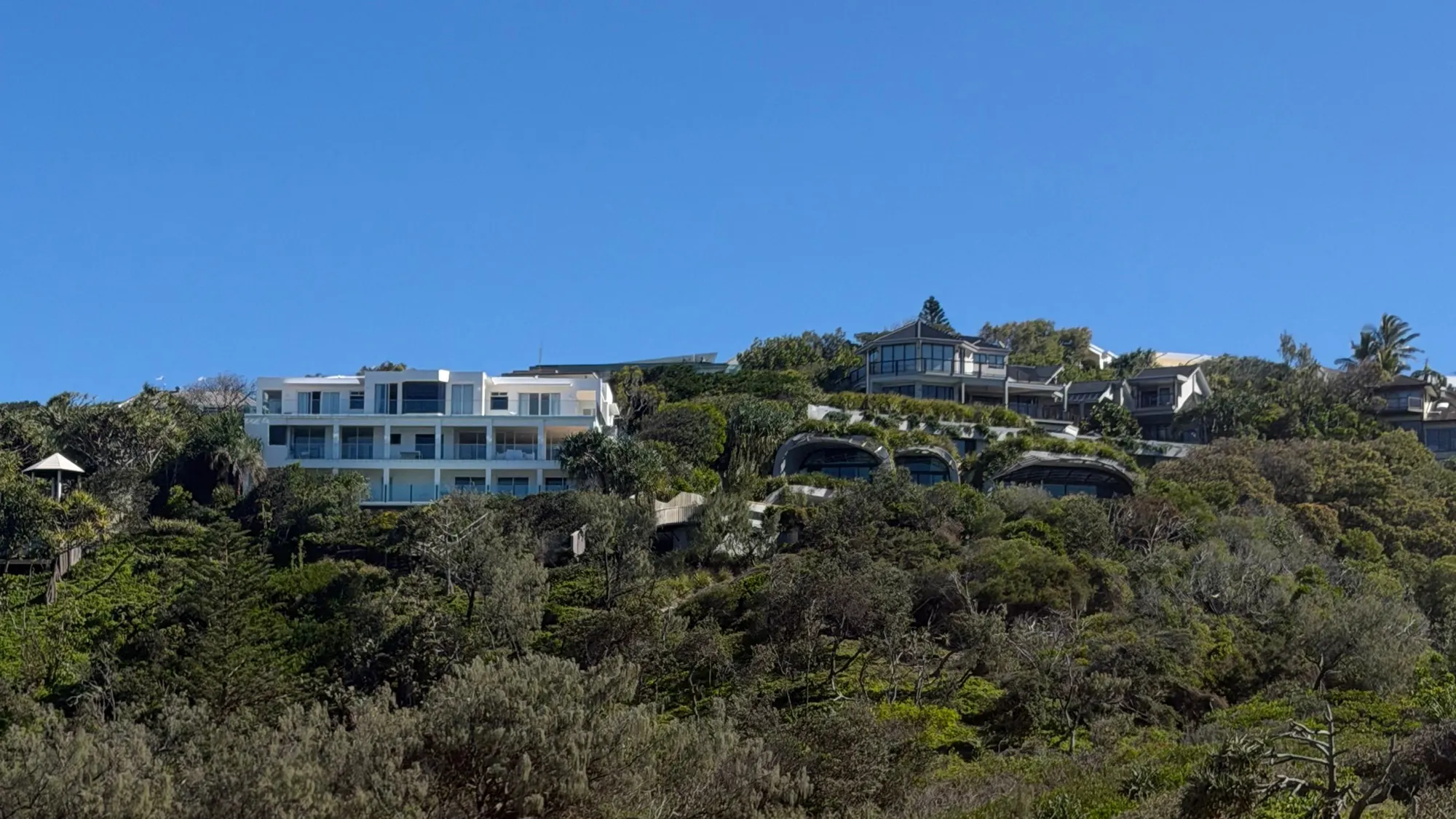
Sunshine Beach Property Acquisition: A 2026 Forensic Playbook
Sunshine Beach buyer's playbook. Cotality $2.57M median (Feb 2026 release), $34M Queensland record, Amendment 2 short-stay reset.
Five Mistakes Noosa and Sunshine Coast Property Buyers Are Making in 2026
Five expensive mistakes Noosa and Sunshine Coast property buyers make in 2026, from Amendment 2 short-stay traps to skipping forensic due di...
Navigating Sunshine Coast Property Investment
Sunshine Coast and Noosa property acquisition: why local expertise, forensic due diligence and buyer-side representation matter.
Service Page
Noosa Shire Suburbs →Direct service detail, area coverage, fee structure, and the full VEPAP nine-step protocol.
Schedule a Briefing
"If you're considering an acquisition in our markets, the briefing is the right first conversation."
Book a Briefing